
Connecting You with Skilled Professionals Seamlessly
Explore how we enable flexible workforce solutions tailored to your project management needs.

Short-Term Talent Placement

Long-Term Workforce Solutions

Project-Focused Staffing Support

Dynamic Skill Matching Services
Our Process
Discover how Skills Trade Desk connects you with skilled professionals through a seamless, project-driven approach.
1
Step One: Connect Your Needs
Begin by sharing your project requirements to match with the right professionals quickly and effectively.
2
Step Two: Manage Projects
Oversee your assignments with our intuitive platform ensuring smooth collaboration and progress tracking.
3
Step Three: Scale & Succeed
Finalize your engagements and leverage flexible workforce scaling to meet business goals efficiently.

Risk and QS/CRA
All of our Risk Team are highly skilled in delivering high-integrity risk management strategies tailored for complex infrastructure projects by combining flexible delivery models with rigorously tested industry methodologies. We specialize in Quantitative Schedule Risk Analysis (QSRA) and Quantitative cost Risk Analysis (QCRA), producing probabilistic outputs across P10, P50, P80, and P90 confidence levels – supporting robust decision-making at every project gateway.
Our approach is fully aligned with regulatory and assurance frameworks including Ofgem’s license conditions and cyber risk standards for UK energy, the Environment Agency’s WISER and Ofwat’s AMP8 for UK water, the UK Civil Aviation Authority’s State Safety Program and NASP for aviation, and Infrastructure Australia’s Risk Management Guidelines and CIRMP obligations. Internationally, we embed ISO 31000, AACE (RP 57R-09/63R-11) and PMI PMBOK-aligned practices to ensure global consistency and resilience.
We prioritise high-quality inputs, collaborative industry benchmarking, and transparent stakeholder engagement – ensuring every risk model is defensible, auditable, and tailored to the unique risk landscape of infrastructure delivery.

Knowledge Retention Program (KRP)
At Lybert Services, we understand that knowledge is one of your organisation’s most valuable assets – and losing it can be costly. That’s why we offer a Knowledge Retention program (KRP) free of charge on most engagements.
Our KRP ensures that critical insights, processes, and lessons learned are captured, structured, and transferred effectively, even as teams evolve. With decades of experience designing KRP and Continuous Improvement Programs (CIP) across major global projects, we’ve mastered the art of preserving expertise.
Comprehensive PMO Functional Support
Project Risk Management
Our experts deliver robust QSRA (Quantitative Schedule Risk Analysis) and QCRA (Quantitative Cost Risk Analysis), enabling data-driven decision-making and confidence-level reporting (P10/P50/P80/P90). We also support risk identification, issue and assumption assessment, and the development of mitigation strategies aligned with regulatory and project assurance frameworks.

Planning & Scheduling
Skilled planners and schedulers use industry-standard tools (e.g., Primavera P6, MS Project) to build, maintain, and optimise integrated master schedules, ensuring alignment with delivery milestones and gateway requirements.

Cost & Commercial Management
Our cost engineers and commercial specialists provide support in budget development, cost control, earned value analysis, and change management—ensuring financial transparency and control throughout the project lifecycle.

Governance & Reporting
We offer PMO analysts and coordinators who establish and maintain governance structures, manage reporting cycles, and ensure compliance with program controls and stakeholder requirements.

Digital PMO Enablement
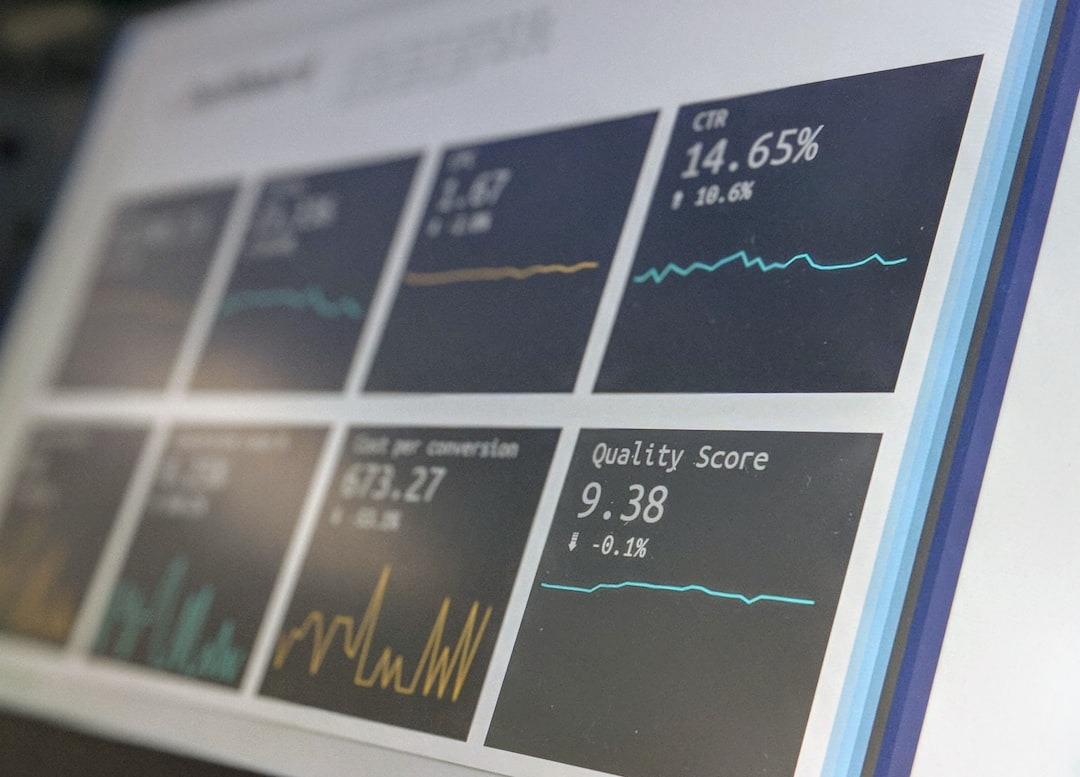
For clients undergoing digital transformation, we provide talent skilled in PMO automation, dashboarding (Power BI, Tableau), and data integration—enhancing visibility and decision-making across portfolios.

Resource Management & Capacity Planning
Our specialists optimize workforce allocation and project delivery by analyzing resource demands and using advanced forecasting tools to balance workloads and maximize productivity. This approach supports strategic decision-making and ensures flexibility to meet project goals efficiently within timelines and budgets.